Your Second Brain: How Your Gut Talks to Your Mind
Nov 17, 2025
Nutrition
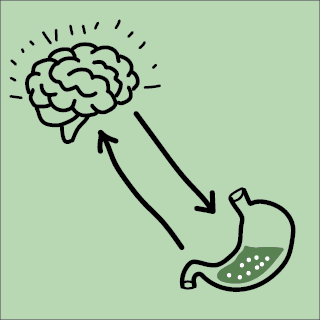
TL;DR Our gut and brain are in constant communication. The “gut–brain connection” helps control digestion, stress, and mood. The gut sends signals through the vagus nerve and gut bacteria, which influence how we feel emotionally and physically. Learning how this connection works can help us improve both our mental health and our digestion.
Introduction — More Than a Feeling in Our Stomach
A lot of us have felt “butterflies” before the “big test” or a public speaking event, and maybe even an upset stomach after getting into an argument with family or friends. That’s not your imagination, your gut and brain are deeply connected. I have seen first-hand through personal experience and in the clients I work with, how our digestive tract can be altered based on the stressors we experience in our life. Scientists call this the gut–brain connection, and it plays a major role in emotional balance and digestive health.
Understanding this link helps us see why stress affects digestion and why taking care of our gut can boost mood and energy.
What Is the Gut–Brain Connection?
The gut–brain connection is how our digestive system and brain communicate using nerves, hormones, and the bacteria in your intestines.
The three main messengers:
The Vagus Nerve: The main “highway” between the brain and gut. About 80% of its fibers send signals from the gut to the brain (Waxenbaum et al., 2022).
The Enteric Nervous System (ENS): Often called the “second brain,” it runs along your digestive tract and helps control digestion.
The Gut Microbiome: There are trillions of bacteria in your gut that help you digest food, balance inflammation, and produce mood-related chemicals (Gropper & Smith, 2013; Sandhu et al., 2017). Specific types of bacteria can be more helpful than other types of bacteria.
How Gut Bacteria Affect Your Mood
Gut microbes do more than process food — they make chemicals like serotonin, GABA, and dopamine that influence mood and stress. In fact, 90–95% of your body’s serotonin is made in your gut (Waxenbaum et al., 2022).
When your gut bacteria are healthy, your mood and digestion often improve. When they’re out of balance, you might experience anxiety, fatigue, or stomach problems.
How to Strengthen Your Gut–Brain Connection
Try these small steps:
Eat more fiber and fermented foods (like yogurt, kefir, or sauerkraut).
Practice deep breathing or meditation to activate your vagus nerve.
Move your body daily, even with gentle walks.
Get enough sleep to help both your brain and gut recover.
How Wild Hope Can Help
At Wild Hope Counseling & Coaching, we understand that emotional and physical health are deeply connected. Our trauma-informed therapy helps regulate your nervous system, reduce stress, and support overall well-being.
Contact us: contact@wildhopecc.com
Call us: 810-545-7773
Summary
Your gut and brain are a team — caring for one supports the other. By nourishing your gut and managing stress, you can find balance and healing from the inside out.
FAQ
1. What are signs my gut–brain connection is off balance?
Bloating, irregular digestion, anxiety, and fatigue are common clues. Do you eat a lot of processed ready to eat foods? Evaluate your diet. If you aren’t eating a good amount of fruits, vegetables, and whole grains daily and you are experiencing mental symptoms your gut-brain connection may be off balance
2. Can therapy help with gut symptoms?
Yes — calming your nervous system can ease gut discomfort and stress-related symptoms. In addition, nutrition therapy and working with a registered dietitian would also aid in managing gut symptoms.
3. What foods help my gut?
Fiber-rich foods, fermented foods, and colorful fruits and vegetables.